How 1970s Los Angeles Improv Groups Launched Legends Like Robin Williams
Long before streaming platforms and stadium tours dominated the entertainment landscape, the backstreets of Hollywood hosted intimate, underground workshops where the architects of modern comedy quietly perfected their craft. During the 1970s, Los Angeles improv groups operated out of unassuming spaces—dance studios above supermarkets and community centers—acting as crucibles for generational talents like Robin Williams and Garry Shandling. These legendary troupes provided a rare, pressure-free sanctuary where performers could experiment with character, timing, and spontaneous humor without the immediate demands of network television executives.
Key Takeaways
- Los Angeles improv groups in the 1970s served as crucial, low-pressure workshops where future legends honed their unique comedic styles.
- Pioneering coaches like Dee Demarcus created intimate spaces behind Fairfax Avenue supermarkets that fostered intense creative camaraderie.
- Comedy icons such as Robin Williams and Garry Shandling actively participated in underground workshop troupes before achieving mainstream stardom.
- The shift from live, collaborative group workshops to fragmented digital media fundamentally changed how comedians train and perform today.
The Fairfax Avenue Incubator: Where Comedy Legends Met
In the mid-to-late 1970s, the Los Angeles comedy scene was vastly different from the corporate-driven entertainment machinery of today. Groups like off the Wall, founded by former kindergarten teacher Dee Demarcus, operated in spaces that seemed entirely disconnected from major studio lots. Situated in a modest dance studio above an Alpha Beta supermarket on Fairfax Avenue, these workshops functioned as laboratories for spontaneous creation.
The physical environment itself shaped the art form. With seating limited to roughly 50 people, performers and audiences shared a hyper-intimate space. There were no multi-million-dollar production values, no complex lighting grids, and certainly no algorithms dictating what was funny. Performers would literally haul their own set pieces up the stairs, build the stage before the show, and tear everything down immediately afterward.
This DIY ethos attracted writers, aspiring stand-ups, and theatrical actors who were searching for an authentic voice. It was within this exact room that a young Garry Shandling—then a writer looking to transition into performing in front of live crowds—found his footing. The supportive yet rigorous coaching style emphasized organic group dynamics over rigid theatrical formulas, laying the groundwork for the psychological realism that Shandling would later bring to shows like The Larry Sanders Show.
Robin Williams and the Power of Unfiltered Improv
Perhaps no alumnus embodies the manic, lightning-in-a-bottle energy of the 1970s LA workshop scene quite like Robin Williams. Freshly arrived in Southern California and navigating early career choices, Williams spent roughly a year as an active member of off the Wall.
Long before television contracts for shows like Mork & Mindy turned him into a household name, Williams was simply a guy in a workshop finding his comedic sea legs alongside peers who would become lifelong collaborators. Veteran performers often recalled how Williams possessed an unbounded, peerless energy that could completely transform a room. His ability to spin narrative gold out of ordinary objects—such as improvising entire routines around a salt shaker—demonstrated the absolute peak of what unscripted comedy could achieve when given the right incubator.
The tragedy of modern entertainment is that these physical, localized breeding grounds have largely vanished. The ability to fail safely, try out bizarre concepts in front of fifty tolerant strangers, and build deep professional bonds within a collective group of peers is increasingly rare in an era dominated by social media micro-celebrity and instant digital validation.
The Shift from Collective Troupes to Isolated Digital Media
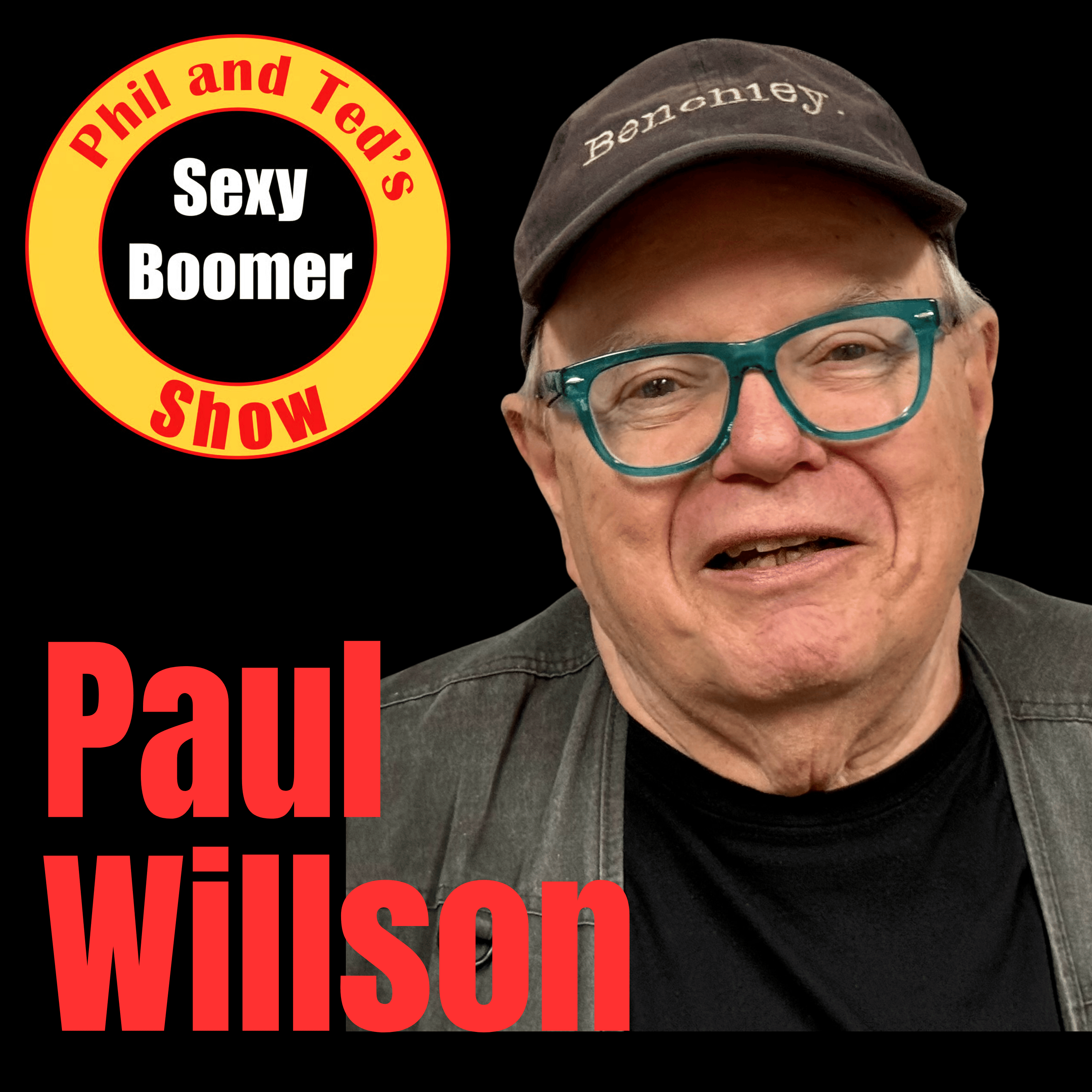
The ecosystem that produced performers like Paul Willson, Robin Williams, and Garry Shandling relied heavily on communal creative friction. In an improv troupe, you were forced to listen, adapt, and build scenes collaboratively. If a joke fell flat, the entire ensemble absorbed the moment and pivoted together.
Compare that collaborative spirit to today's digital landscape, where aspiring comedians often bypass the stage entirely in favor of shooting vertical videos alone in their bedrooms. While the internet allows for unprecedented reach, it lacks the tactile, in-person training ground of the 1970s LA workshop circuit. The old guard learned timing by reading a room's physical energy, navigating the subtle cues of an audience sitting just feet away, and working night after night with the same trusted ensemble.
Furthermore, the corporate consolidation of media outlets has dramatically narrowed the runway for unpredictable comedic voices. Networks and streaming algorithms prioritize safety and predictable metrics over the chaotic brilliance of live experimentation. The institutional memory carried by veterans of the golden age of comedy highlights just how vital physical spaces and supportive mentors like Dee Demarcus were to the American comedic canon.
Conclusion
The era of the underground Los Angeles improv workshop proved that the best comedy often blooms away from the corporate spotlight. By prioritizing artistic exploration over commercial viability, troupes like off the Wall created a cultural legacy that still echoes through the entertainment industry today.
To hear more incredible behind-the-scenes stories about the golden age of television, working on iconic sitcoms like Cheers, and the realities of navigating the entertainment industry over decades, check out the full conversation. Listen to the full episode and subscribe to Phil and Ted's Sexy Boomer Show for more unconventional conversations with comedy legends.
Frequently Asked Questions
What was the name of the Los Angeles improv group that Robin Williams joined?
Robin Williams was a member of 'off the Wall', a prominent Los Angeles comedy improv group coached by Dee Demarcus during the late 1970s.
Where did the improv group off the Wall hold their workshops and shows?
The group originally rehearsed and performed in a small dance studio located upstairs behind a supermarket on Fairfax Avenue in Hollywood.
How did Garry Shandling become involved with off the Wall?
Garry Shandling was a writer who decided he wanted stage experience in front of live audiences and joined Dee Demarcus's workshop to build his stand-up skills.
What made 1970s Los Angeles improv different from traditional Chicago styles?
While Chicago groups often focused on strict, set-based theatrical formats, coaches like Dee Demarcus emphasized a more relaxed, preschool-teacher-inspired approach centered heavily on raw comedic discovery.