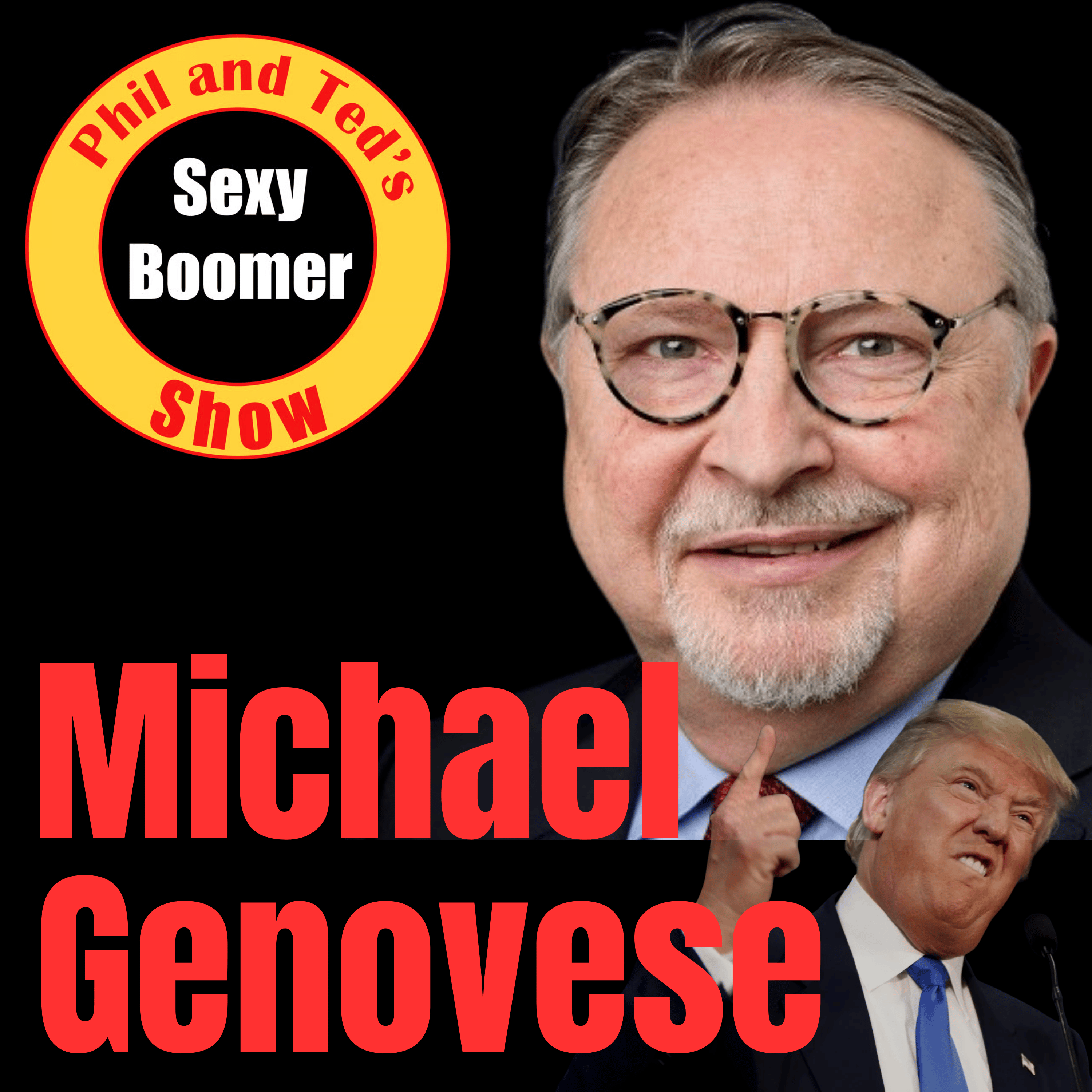
How Donald Trump Monetized the Presidency: From Gilded Ballrooms to Crypto Grifts
When Donald Trump took office, he did not just test the boundaries of executive authority; he fundamentally transformed the presidency into a profit-generating enterprise for his family and inner circle. By bypassing ethics guidelines, leveraging cryptocurrency, and commercializing policy decisions, the administration redefined what it means to hold the highest office in the United States and raised urgent questions about the future of political corruption.
Key Takeaways
- Presidential scholar Michael Genovese highlights how Donald Trump pushed past constitutional boundaries to monetize the Oval Office on an unprecedented scale.
- The Trump family business model expanded during the presidency, including lucrative foreign deals, licensing agreements, and massive cryptocurrency ventures.
- Traditional legal guardrails like the Emoluments Clause failed to deter modern executive overreach due to weak institutional pushback from Congress.
- The normalization of political monetization threatens to permanently alter the ethical standards and public trust required for American democratic governance.
The Evolution of Presidential Profit: Blurring Public Service and Private Enterprise
Historically, American presidents stepped away from their business empires to avoid conflicts of interest, adhering to norms designed to keep the public trust intact. Trump inverted this model entirely. From the moment he occupied the Oval Office, his private enterprises and public responsibilities became inextricably linked. According to presidential experts, this blatant commercialization of executive power has no historical parallel in modern American history.
It is not merely a matter of a wealthy executive holding office; it is the active, deliberate monetization of federal policy, executive access, and presidential branding. When foreign leaders, corporate lobbyists, and domestic billionaires realize that access to the administration can be bought through family business ventures, hotel stays, or digital assets, the boundary separating the public good from private greed vanishes entirely.
Family Business Ventures and Foreign Influence
The monetization strategy extended far beyond the president himself. Family members seamlessly integrated state travel with private business expansion. Trips to international economic superpowers resulted in accelerated trademark approvals, private meetings with high-ranking foreign officials, and massive capital injections from Middle Eastern sources into family-managed investment funds.
These transactions create a profound national security dilemma: When foreign entities pump billions into a president's family network, the public is left guessing whether subsequent foreign policy decisions serve the strategic interests of the United States or the financial balance sheet of the Trump Organization. This structural vulnerability strips away the transparency required in a healthy republic.
Cryptocurrency and the New Frontier of Political Grift
Perhaps the most modern and disruptive tool in this financial playbook is the embrace of digital currencies. While traditional campaign contributions are subject to federal disclosure limits and banking regulations, the cryptocurrency boom has opened entirely new pathways for anonymous or lightly regulated capital inflows.
Generating billions through crypto-related ventures while in or near the White House demonstrates a remarkable adaptation to modern financial tech. It allows supporters, speculators, and vested interests to funnel wealth directly into projects associated with the executive family without triggering traditional transparency alarms. It represents a quantum leap in the sophistication of political self-enrichment.
Gaudy Renovations and Public Contrast
The monetization ethos also manifests in physical spaces, most notably through the rapid, regulation-skirting construction projects on the White House grounds, such as the controversial gilded ballroom. Critics point out the staggering juxtaposition of building multi-million-dollar entertainment spaces for the ultra-wealthy while simultaneously threatening social safety nets and nutritional assistance programs for ordinary Americans.
This aesthetic—described by critics as Las Vegas glitz meeting presidential history—symbolizes an administration that prioritizes personal aggrandizement over institutional reverence. The speed and disregard for historic preservation guidelines during these construction projects underscore a broader governing philosophy: rules and regulations apply only to those without the power to ignore them.
The Failure of Institutional Checks and Balances
How did this systemic monetization go unchecked? The answer lies in the erosion of the separation of powers. The framers of the Constitution envisioned Congress as the primary check on executive overreach. However, hyper-partisanship has transformed the political landscape from a separation of powers into a separation of parties.
When congressional leaders abdicate their oversight responsibilities out of fear or political expediency, the executive branch operates in a vacuum of accountability. Weak speakers of the House and a compliant judiciary choose party survival over institutional defense. When the emoluments clause and financial disclosure norms are successfully bypassed once, it sets a dangerous precedent that clears the road for unobstructed self-dealing.
Conclusion: Can American Democracy Recover Its Ethics?
The normalization of presidential monetization leaves a lasting scar on American political culture. When the accumulation of personal wealth is equated with strength and success, the foundational premise of public service—that leaders serve the public good rather than their own bank accounts—is shattered.
Restoring ethical norms will require a massive structural reawakening, campaign finance reform, and a Congress willing to reclaim its constitutional authority. To explore this vital topic in greater depth, Listen to the full episode of Phil and Ted's Sexy Boomer Show for an eye-opening conversation with presidential scholar Michael Genovese.
Frequently Asked Questions
What is the Emoluments Clause and how did it apply to Trump?
The Emoluments Clause is a constitutional provision designed to prevent U.S. officials from accepting gifts, titles, or profits from foreign states without congressional approval. Critics argue that Trump's business holdings and foreign licensing agreements persistently violated these prohibitions.
How has cryptocurrency played a role in political monetization?
Cryptocurrency has introduced a nearly untraceable financial vehicle for public figures and their families to generate immense revenue, shielding donors and investments from traditional financial oversight and public disclosure laws.
Why didn't Congress stop executive branch monetization?
Hyper-partisanship shifted political loyalty from institutional checks and balances to party protection. A weak congressional leadership and unified party backing created an environment where pushback against executive self-enrichment was virtually non-existent.
Did previous presidents use the White House for personal financial gain?
While politics has long involved wealthy figures and seamy financial ties, presidential scholars note that no modern president has been as blatant or aggressive about monetizing executive power for family business expansion as Donald Trump.